What it is
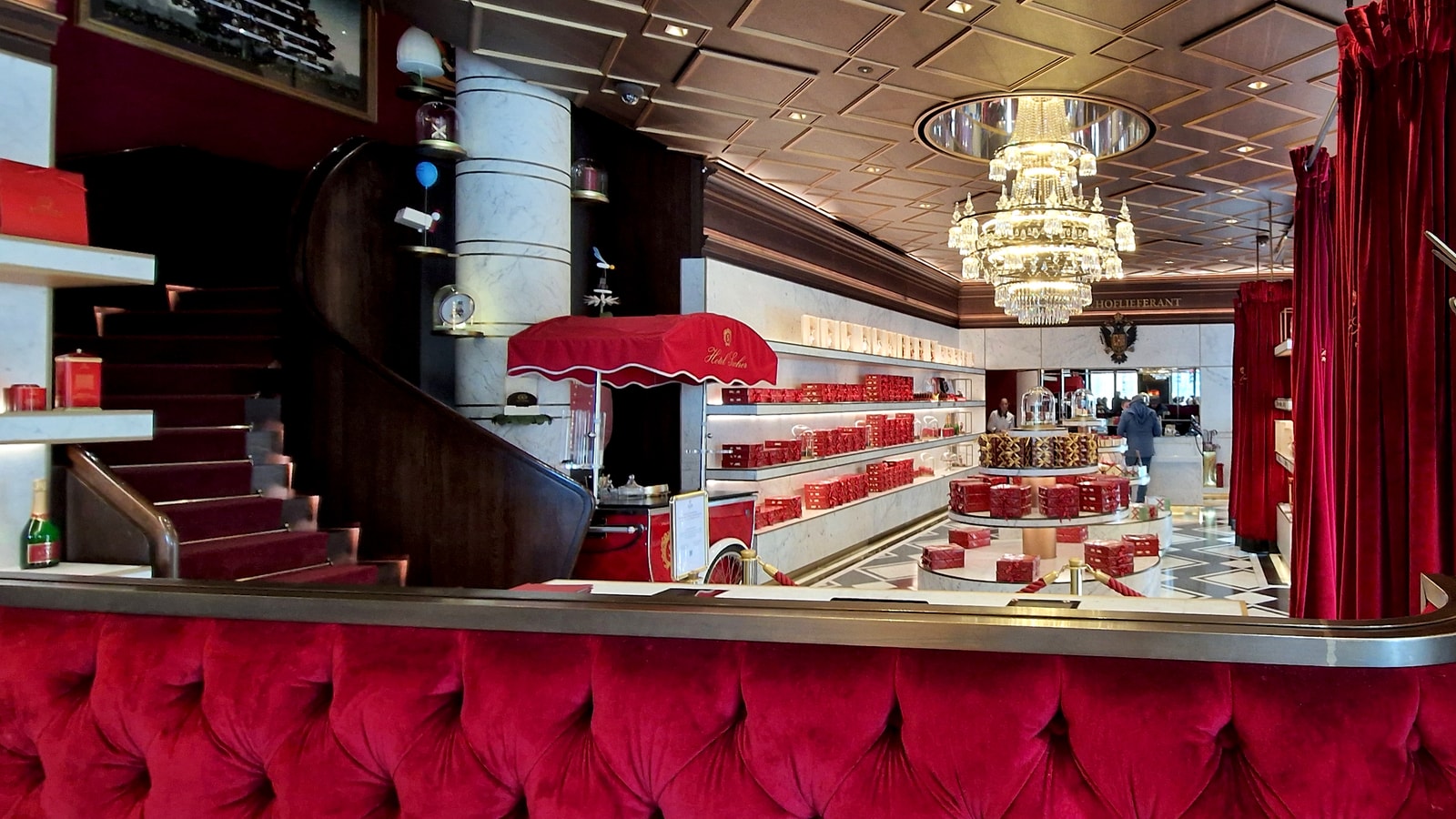
Café Sacher is the café and pastry shop inside Hotel Sacher at Philharmonikerstraße 4 in Vienna’s inner city, opposite the Vienna State Opera. It serves the hotel and the cake business first; it is not an independent tea house. Tea appears alongside coffee and cake, not at the centre of the offer.
History
Hotel Sacher opened in 1876 under Eduard Sacher. His father, Franz Sacher, was a confectioner. The common story says that Franz created the chocolate cake later called Sachertorte in 1832 for a reception hosted by Metternich. The year and the occasion come from brand storytelling and later historical writing; the archival detail of that specific reception is not fully consistent. What is clearer is that the cake became a representative Viennese dessert during the nineteenth century.
After Eduard Sacher died in 1892, his wife Anna Sacher took over the hotel. Under her management, Hotel Sacher became a meeting place for aristocrats, diplomats, artists and musicians. After the First World War the business ran into financial difficulty; in 1934 the Gürtler family took over and carried out extensive changes. During and after the Second World War the hotel was used by the British occupation authorities, and it was later extended and renovated several times. Today Hotel Sacher still presents itself as a family-run hotel, and Café Sacher is part of its public spaces.
The cake dispute
A Sachertorte is a chocolate sponge cake with apricot jam and a chocolate glaze. In the 1930s, when Hotel Sacher was in financial trouble, Eduard Sacher’s son sold the recipe to the Demel pastry shop. From 1934 Demel sold a single-layer “Eduard Sacher-Torte”, while Hotel Sacher continued to sell a two-layer “Original Sacher-Torte”. The two businesses then fought a long dispute over the “Original” name, the trademark, and whether the original cake had one layer or two.
The dispute was broadly settled around 1963. The usual summary is that Hotel Sacher won on the name and ownership, while Demel won on the number of layers. Sources differ on whether the ending was a court judgment or an out-of-court agreement; this page keeps that difference rather than turning one version into the only fact. For a reader, the point is not to decide which shop is “authentic”, but to see that “Original Sacher-Torte” is both a product name and the result of a family and trademark history.
Tea and ordering
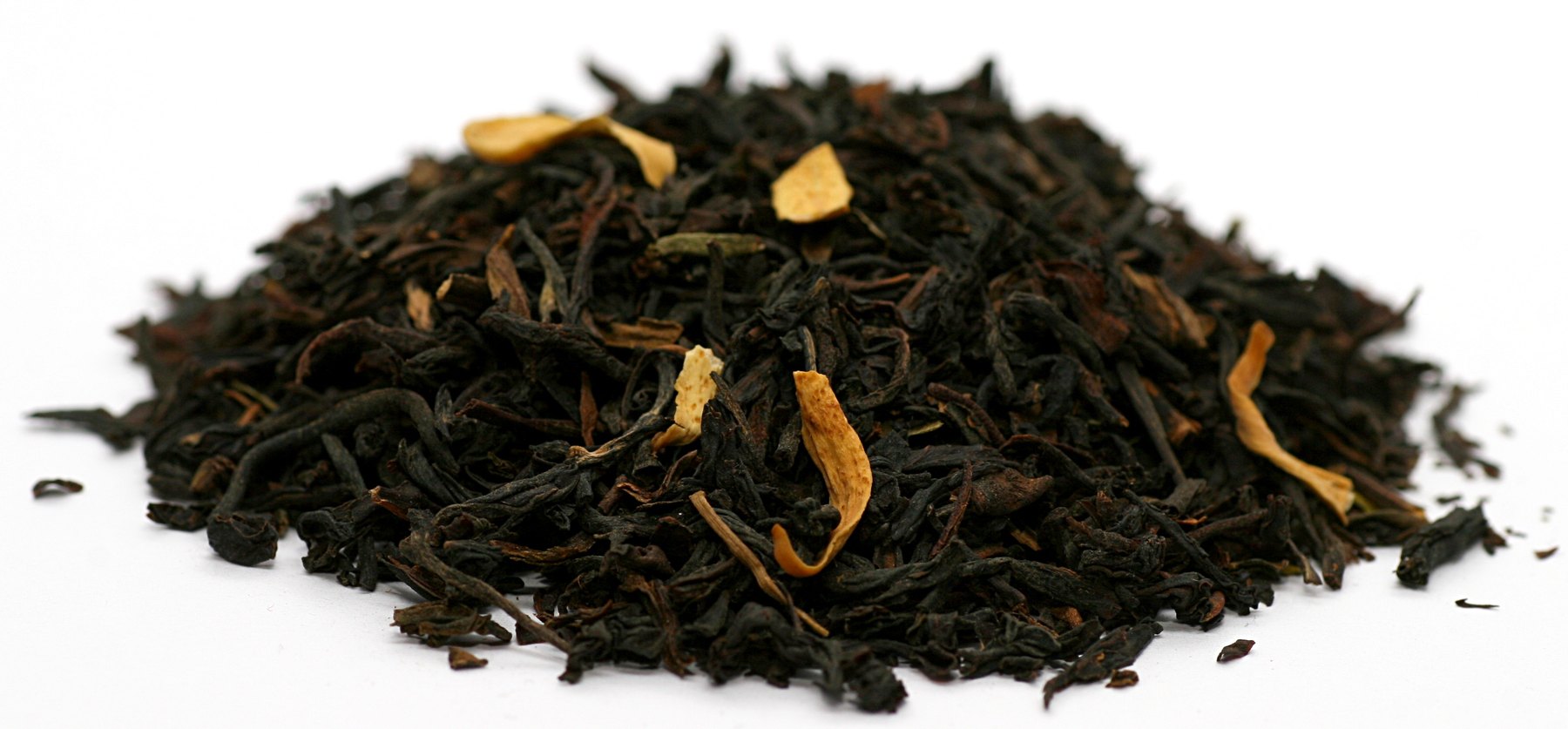
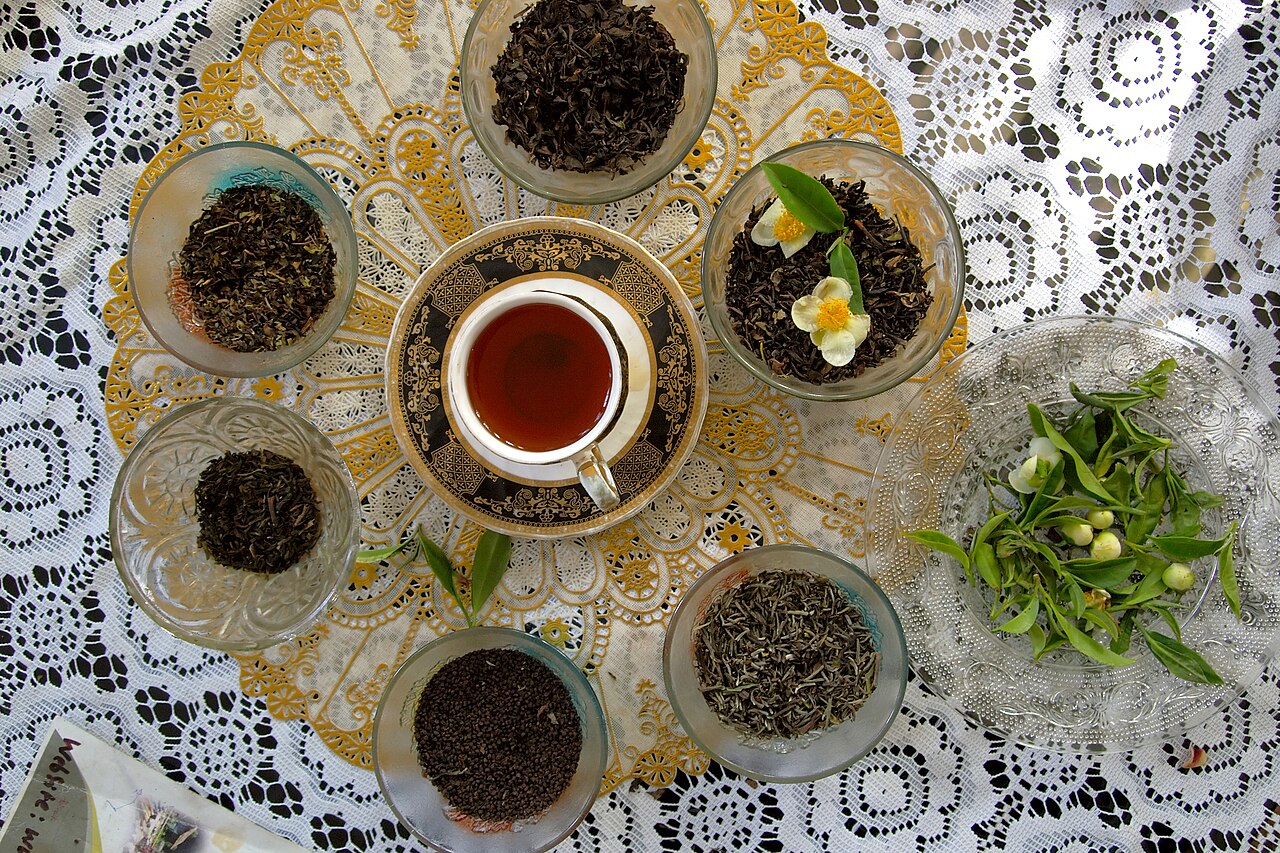
Café Sacher is built around cake, coffee and pastries; tea is an accompaniment. Common black teas include Earl Grey, Darjeeling, Assam, Ceylon and English Breakfast, but the exact brands, list and brewing should be checked against the menu of the day. The cake is sweet, so an unsweetened or lightly flavoured black tea, especially Darjeeling, is a more balanced pairing; if you choose a flavoured tea, check its sweetness first so that tea and cake do not overwhelm each other.
This is not a Chinese tea house with repeated infusions as the main event. It is a Viennese pastry café, and table service is organised around cake and coffee. If tea matters to you, ask the server what black or herbal teas are available that day; if the cake matters, pay attention to the apricot jam, the chocolate glaze and the proportion of sponge rather than treating the tea list as the main subject.
Visiting
The address is Philharmonikerstraße 4, 1010 Wien, in the inner city opposite the State Opera. The official site provides current information on the hotel, Café Sacher and the Original Sacher-Torte, and supports related reservations. This page records the status as operating because the official site still presents the café as active; that is not a promise that every section is open every hour. Check the official site or contact the hotel before visiting, and allow extra time in opera season and peak tourist periods.
Reading boundaries
Three layers are easy to confuse at Café Sacher: the 1832 creation story, the hotel history from 1876, and the trademark dispute from the 1930s. The first works as brand and city memory, the second has clearer dates and people, and the third involves legal and commercial detail. Squashing all three into “the world’s most authentic cake” loses the interesting part. This page states the verifiable structure and does not issue an “authenticity” verdict for either shop.