A working old tea house
Luk Yu sits on Stanley Street in Central. It is not a tea-house museum under glass. It still serves morning tea, lunch and dim sum. The old sign at the door, the rosewood furniture, screens, ceiling fans, clock, vases and abacus were carried over from the former shop and continue to be used. They make the room, rather than merely decorate it.
Read a place like this through use: when do customers arrive, which pot of tea do they order, how many steamer baskets do they call for, how long do they stay? The history is not only on the signboard. It is in the repeated movements of a working tea house.
1933 and 1976
The official website records that Luk Yu was founded on 11 June 1933 by Ma Chaowan and Li Chinam, originally on Wing Kut Street. The landlord later took back the premises, and the tea house moved to its present Stanley Street address in 1976. That timeline matters: today’s address is not the 1933 site. The “oldness” comes from the carried-over furniture, sign and way of running the place, not from a building that has never moved.
The name comes from Lu Yu, the Tang dynasty author of The Classic of Tea, later honoured as the sage of tea. A statue of Lu Yu stands on the second floor. The name connects a Cantonese tea house to Chinese tea history, but the service, menu and clientele remain Hong Kong’s own. It is not a re-enactment of Tang tea.
Three floors, three halls
The official site says the tea house has three floors, each with three halls. That layout separates the bustle of the main room, the privacy of a hall and the movement on the stairs. The Tourism Board page stresses the contrast between colonial-style design and Chinese calligraphy, stained glass and old wooden furniture.
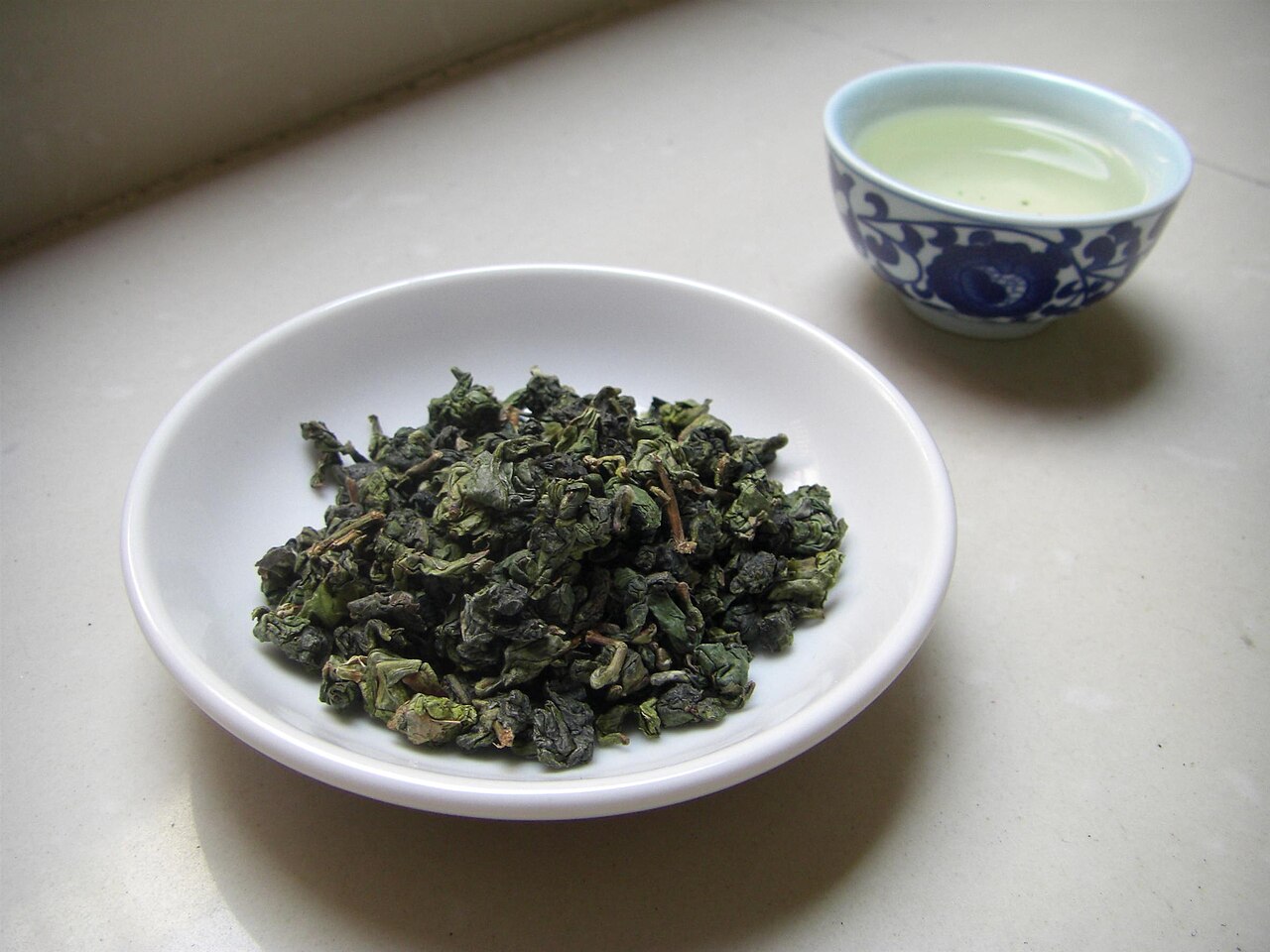
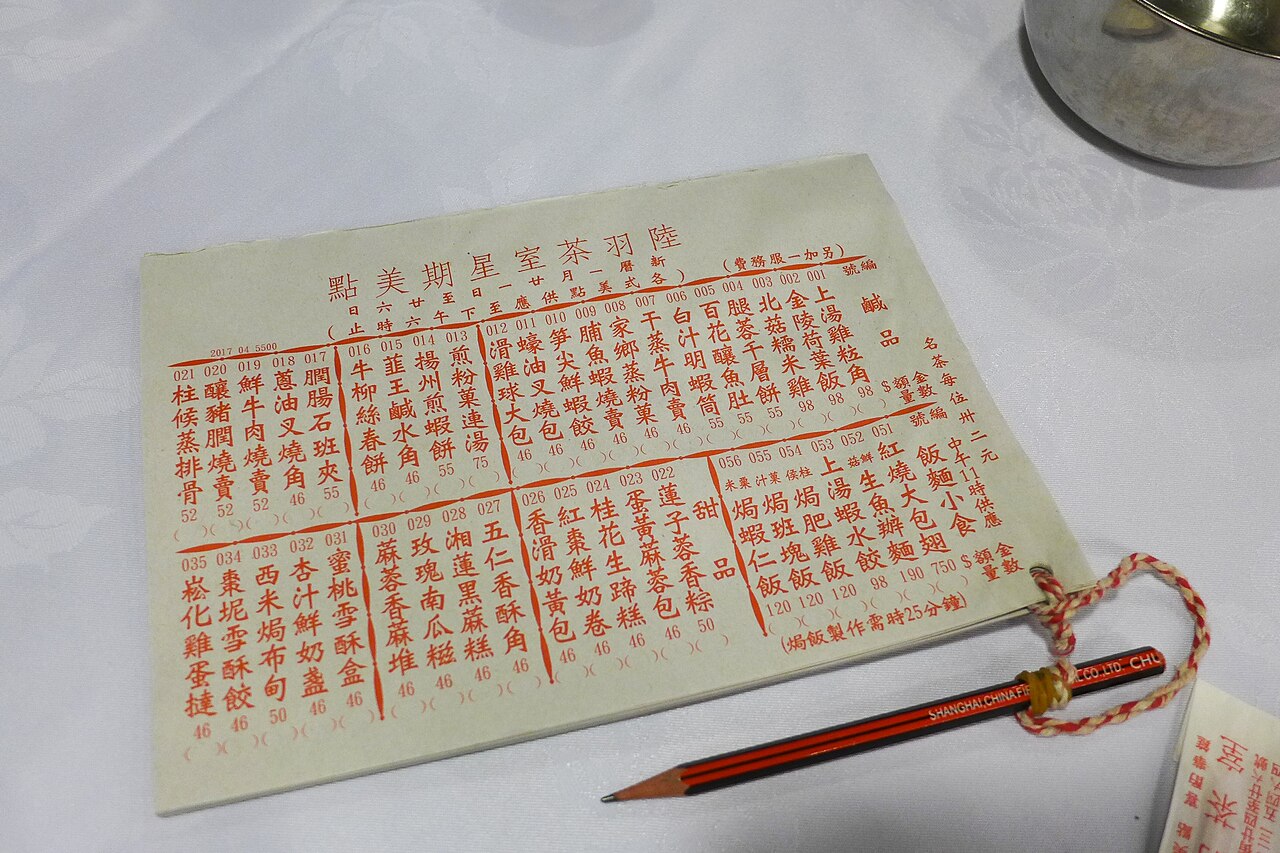
“One pot, two baskets” — yat jung leung gin — is a common way of describing Cantonese morning tea: a pot of tea with two dim sum items. It names a rhythm of ordering, not a fixed set meal. Luk Yu’s tea list covers traditional choices such as Pu-erh, tieguanyin, shui xian and shou mei. Dim sum includes pig-liver siu mai, crispy prawn toast, sweet and sour pork and pig’s lung soup with almond cream. The exact menu changes with season and kitchen arrangements; the legacy list is not a daily stock list.
What to look at in the room
- The old sign and façade. The door sign came from the former shop. It is one of the most direct material links to the tea house’s earlier life.
- Furniture and halls. Rosewood tables, screens, ceiling fans and clocks layer several periods in one room. Notice which pieces are original and which were repaired or replaced.
- Tea and dim sum. Watch the pot and cups first, then the service of dim sum. The legacy claim that Luk Yu has no dim-sum trolleys and serves everything from trays is not confirmed by the official or Tourism Board pages; check the service on site rather than repeating it.
- Clientele. Regulars, office workers and visitors share the space. Who sits in the main hall, who takes a private room and who comes at opening time says more about the place than the phrase “colonial style”.
Literary and film memory
The legacy page listed specific films said to have been shot at Luk Yu. This page has not found a production company, shooting permit or contemporary report that confirms such a list, so it does not present those titles as fact. The Tourism Board page confirms the vintage atmosphere and the Cantonese food tradition, not a filmography.
This does not mean Luk Yu never appeared on screen. It means that, without end credits, a shooting permit or a contemporary report, “this film was shot here” should not be written as settled fact. Treat such claims as memory cues and go back to the specific work and its production record.
Visiting information
Address: G/F-3/F, 24 Stanley Street, Central, Hong Kong Island.
Telephone: +852 2523 5464 (Hong Kong Tourism Board page).
Operating status: this page has not independently verified current hours, dim-sum menu or booking rules. Confirm through the official website or telephone before visiting. The tea house is busy in the morning tea period and seating is limited.
Sources and status
This page relies on Luk Yu’s official website and the Hong Kong Tourism Board’s Taste Hong Kong page. The official site supports the 1933 founding, the founders, the Wing Kut Street origin, the 1976 move, the three floors and three halls, the Lu Yu naming and the carried-over objects. The Tourism Board page supports the current address, telephone, interior style and several signature dishes. Unsourced legacy claims — a royal visit, “more than sixty films”, a 1975 tourism association listing — have been removed. All migrated pages are currently marked reviewed, but sources and wording will continue to be revised.