What it is
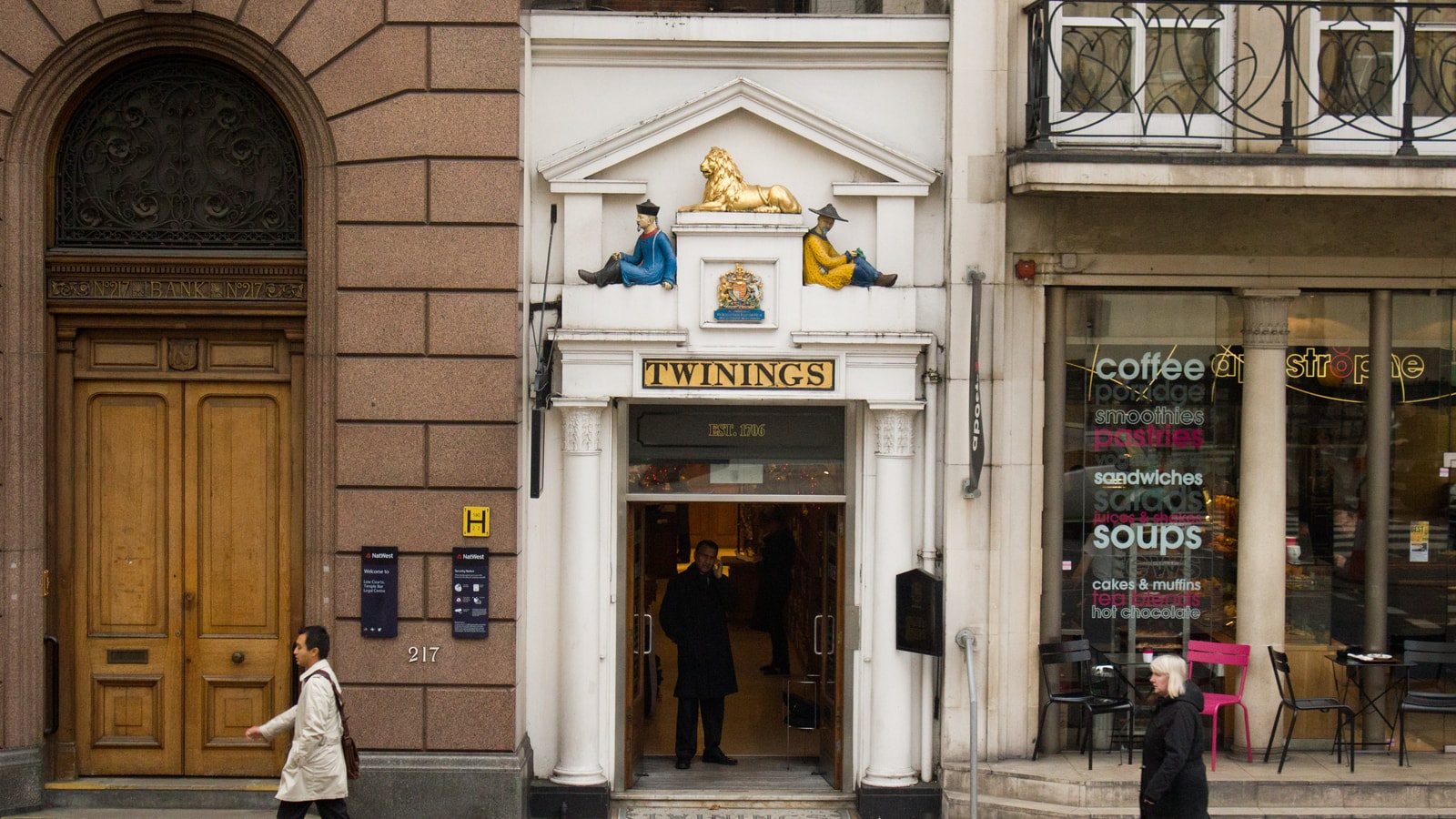
Twinings is a British tea brand, and its shop at 216 Strand in London has occupied the same address since Thomas Twining opened a tea room there in 1706. It is better understood as a tea retailer and brand flagship than as an English afternoon-tea salon with a three-tier stand. The interesting subject is the continuity of the address and the retail and brand history, not a full afternoon-tea experience attached to the doorway.
History
In 1706 Thomas Twining opened a tea room at 216 Strand. Public historical accounts often call it one of Britain’s first known tea rooms; that description is best read as a claim within the shop’s own history and later writing, not as an exclusive legal finding. In the eighteenth century tea was still an expensive commodity in Britain. Twining started from coffee and tea retail and gradually turned tea into a stable business.
In 1787 the firm adopted a logo that has remained in continuous use; public references describe it as one of the world’s longest continuously used company logos. The brand later held a royal warrant and was acquired by Associated British Foods in 1964. The golden reclining lion, the two seated figures and the “EST. 1706” above the door are Strand streetscape landmarks today, but they are brand imagery, not archival evidence.
Earl Grey and the legend
Twinings is often associated with Earl Grey, but the popular story that the second Earl Grey authorised the firm to blend bergamot-flavoured black tea in 1831 is widely repeated and not neatly evidenced. The public entry says explicitly that it is unclear when the association began and how important the company’s involvement was; Jacksons of Piccadilly, another firm once connected with Twinings, is also associated with the blend. This page therefore calls Earl Grey one of Twinings’ best-known flavoured black teas, not a settled 1831 invention.
Earl Grey is an entry point, not the whole history. What is more distinctive is that a tea retailer stayed at the same address while the city, the brand, its ownership and its product range changed around it.
Space and tea
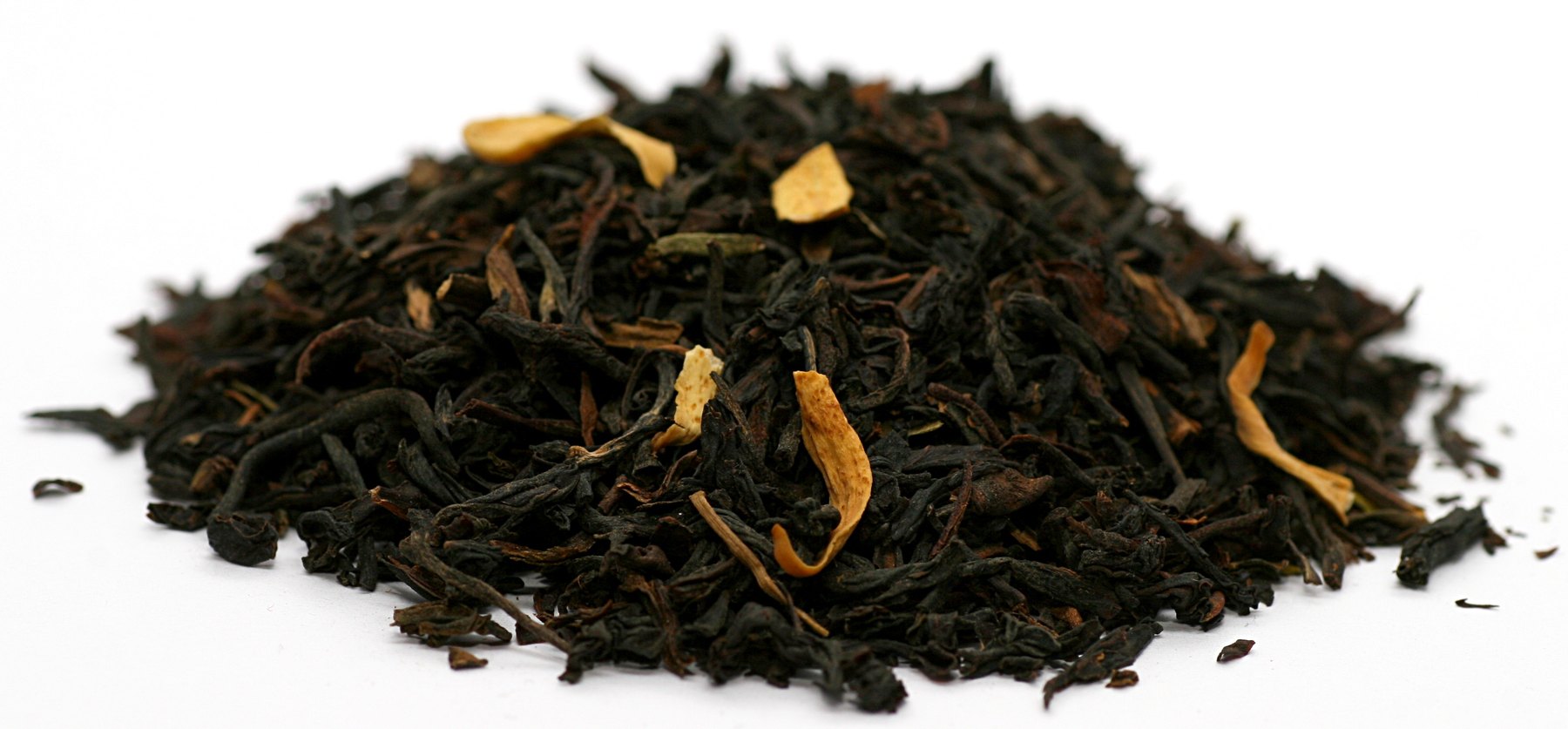
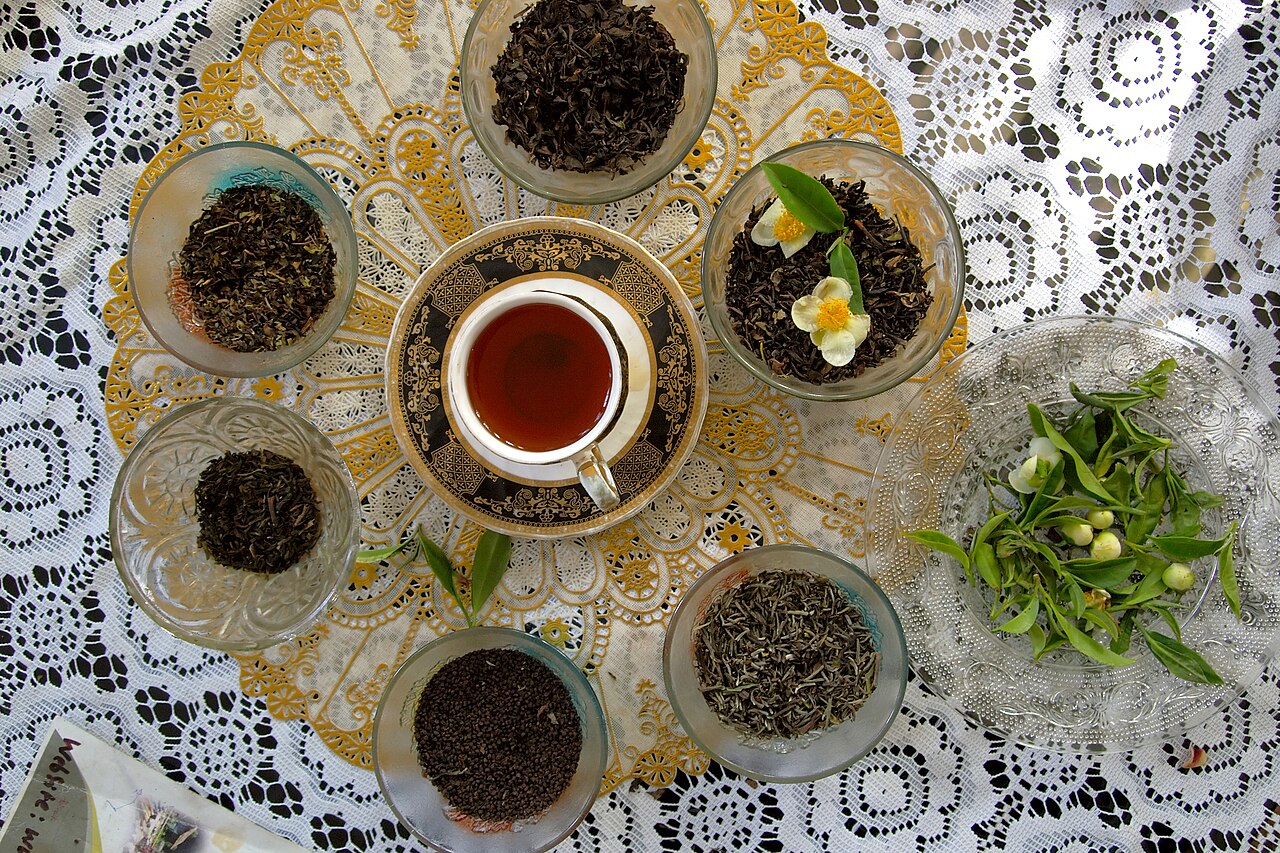
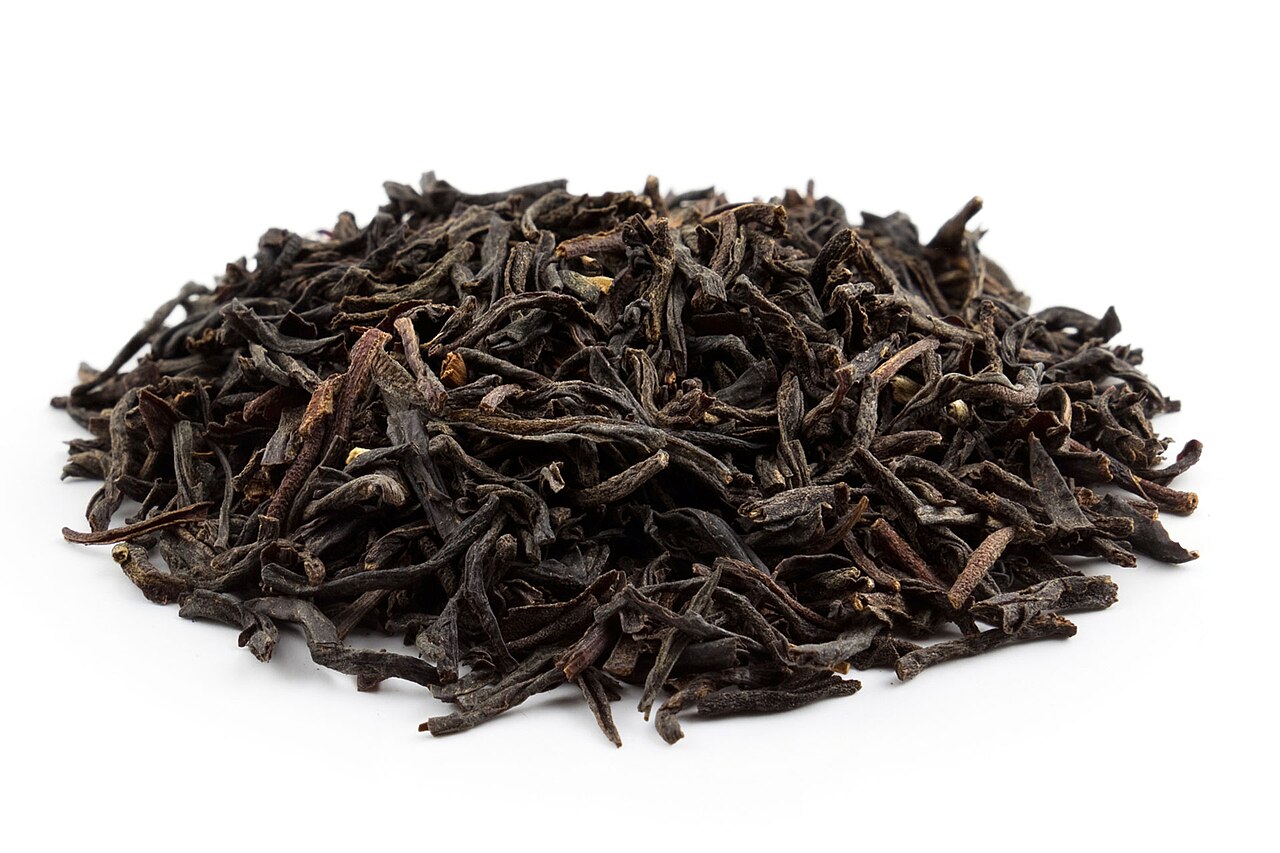
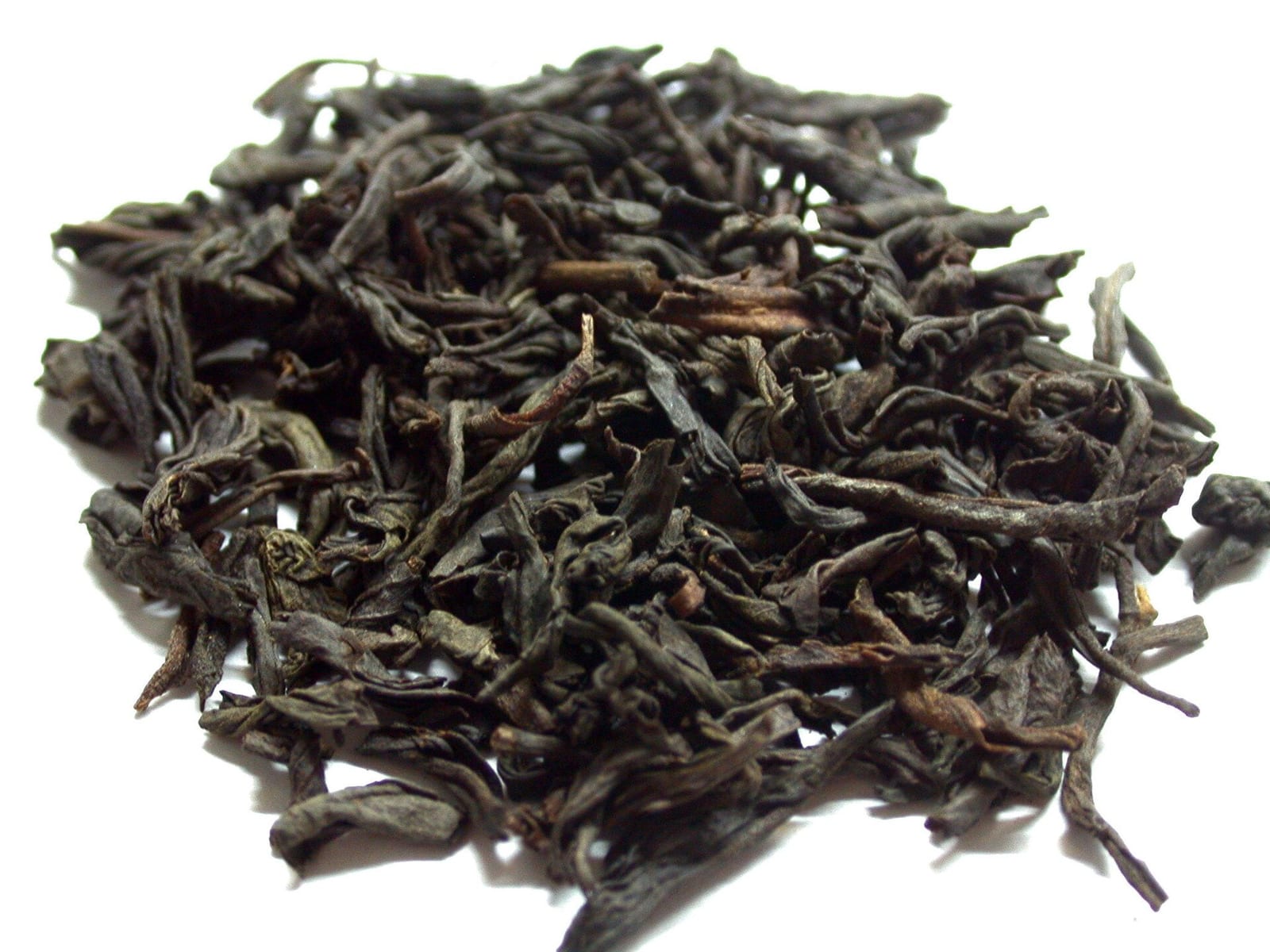
The Strand shop is a small retail space, not a large tea room. The shelves are given over to loose tea, tea bags, gift boxes and teaware. Common categories include Earl Grey, English Breakfast, Darjeeling, Assam, Ceylon, jasmine tea and Lapsang Souchong; the exact range and limited editions change with season, so this page does not fix a single product. The shopfront is worth looking at for its architecture, but it does not offer the same “sit down and brew a pot slowly” experience as a dedicated tea room.
If you are buying tea, decide first whether you drink it plain or with milk, and whether you want a breakfast tea: Darjeeling or Ceylon are good starting points for plain drinking, while Earl Grey and English Breakfast represent the blended and flavoured classics. If you are visiting for the history, keep the shopfront, the logo and the brand story in separate layers; that gets closer to the place than buying a “commemorative” tin.
Visiting
The address is 216 Strand, London WC2R 1AP. The official site provides brand, product and shopping information. This page records the status as operating because the official site still presents the brand and retail offer as active; that is not a promise that the shop is open every hour of every day. The Strand is close to Temple, Covent Garden and the Thames, so it can be combined with a walk in that part of London. For shopping, avoiding midday and weekend peaks is more comfortable.
Reading boundaries
Three claims at Twinings slide most easily into myth: Britain’s “first” tea room, the world’s “oldest” logo, and the 1831 Earl Grey recipe. Each has a public source, but “first” and “oldest” depend on the scope of the comparison, and the 1831 story lacks neat evidence. This page keeps the sources and the limits of those claims rather than turning brand myth into an uncontested chronology. The hard facts that can be checked are: the 1706 opening, the same address at 216 Strand, the 1787 logo and the 1964 change of ownership.