Read the current status first: closed for restoration
Wistaria’s official homepage announces that since 16 December 2024 the tea house has been closed for a multi-year restoration of the historical site, and is not serving tea or meals during that period. This has to come before any history. If you plan to “go to Wistaria for tea” now, you would arrive at a restoration site, not a working tea house.
Closure does not erase the place. It means this is a period for reading its architecture, garden and tea-house history, not for treating the old menu or old opening hours as current fact.
How a Japanese dormitory became a tea house
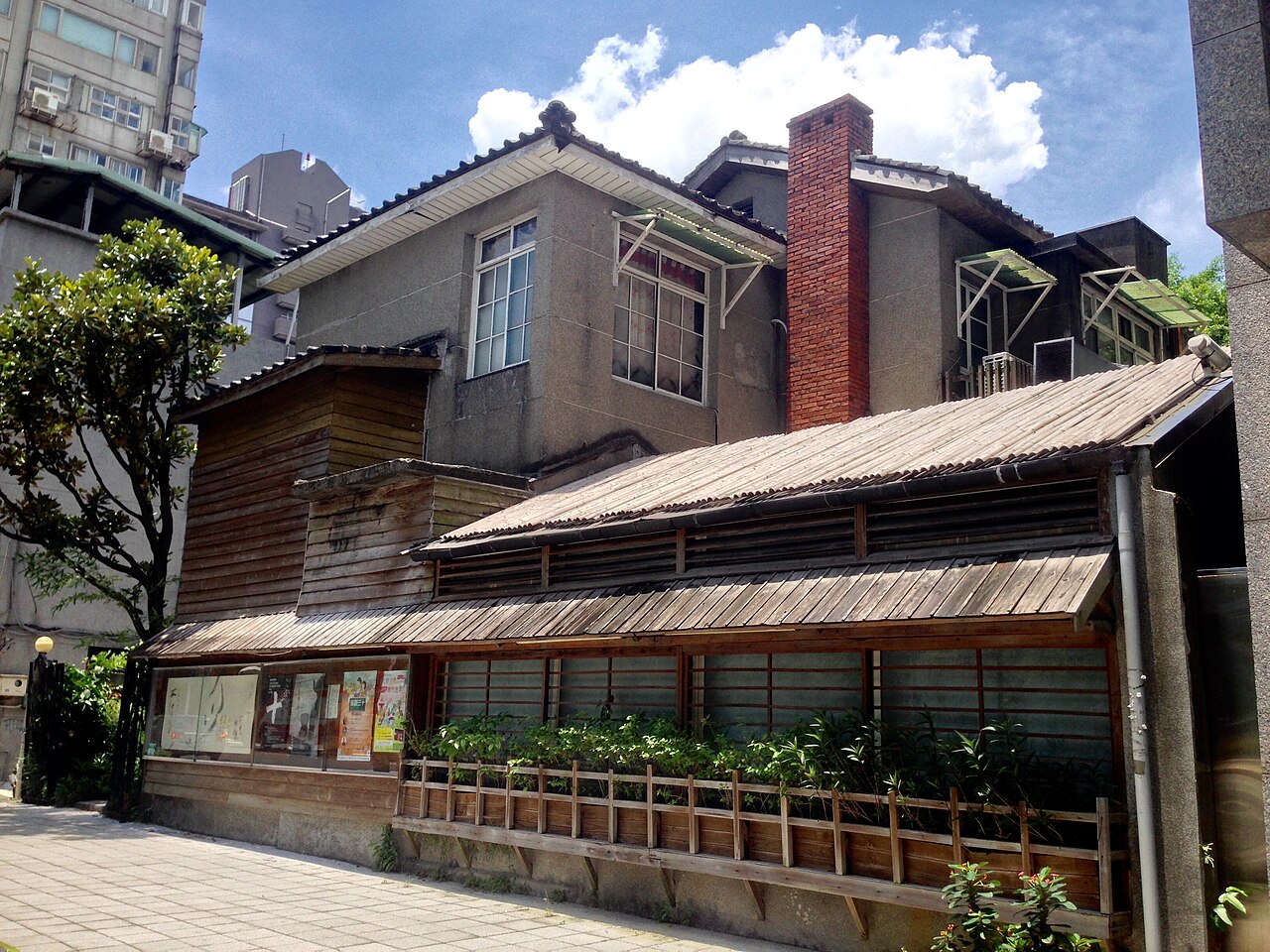
The building is a Japanese-style wooden dormitory from the Japanese colonial period, in a lane off Xinsheng South Road Section 3 in Daan District, Taipei. After 1945 it was used as government housing. In 1950, David Chow (Zhou Dewei) moved in with his family. After Chow moved to the United States in 1975, his son Zhou Yu took over. In 1981, Zhou converted the old house into a tea house and named it after the three old wistaria trees in the garden: Wistaria.
The official space page says the oldest of the three trees is about 90–100 years old and was planted during the Japanese colonial period. The flowers usually open in April and May for about two weeks. In recent years, new high-rise buildings nearby have reduced sunlight, and the bloom is less vigorous than before. That detail is more useful than “a waterfall of wistaria”: the same garden is also changing with the city’s light.
In 1997, Wistaria was designated a Taipei City historical site. The official page calls it the first designated historical site in Taiwan characterised by humanistic historical spirit and a tangible public space. That “first” is the venue’s own formulation and should be attributed when quoted. It reopened after restoration in 2008; in December 2024 it entered another long restoration.
How to read the space
- The garden. Three wistaria trees, an old stone mill, stone lions and a pond. The pond was enlarged and lengthened in a 1990s redesign. Look at the relation between tree, water, stone and building rather than only the flowers.
- The main hall. Originally the living room of the residence, with full-height windows by day and warm yellow light at night. The official page describes it as a space where scholars discussed ideas. That humanistic history can be read, but individual names should not be turned into proof that a particular event happened at a particular table.
- The flower hall. Originally the backyard; converted in 1981 into a flower-art exhibition and sales area, later enclosed as an indoor tea room and now used for exhibitions and markets. Its translucent roof gives it the nickname “Sunlight Gallery”.
- The Purple Cloud Pagoda. A second-floor space built in 1963 and named for its proximity to the clouds. It is now used for tea tasting and classes. The name is literary; the construction date is checkable.
- Furniture and objects. Tatami, old window frames, wooden posts, clay pots and kerosene water boilers. They are not a “Japanese set”; they are layers left by different periods of repair and use.
Tea and film memory
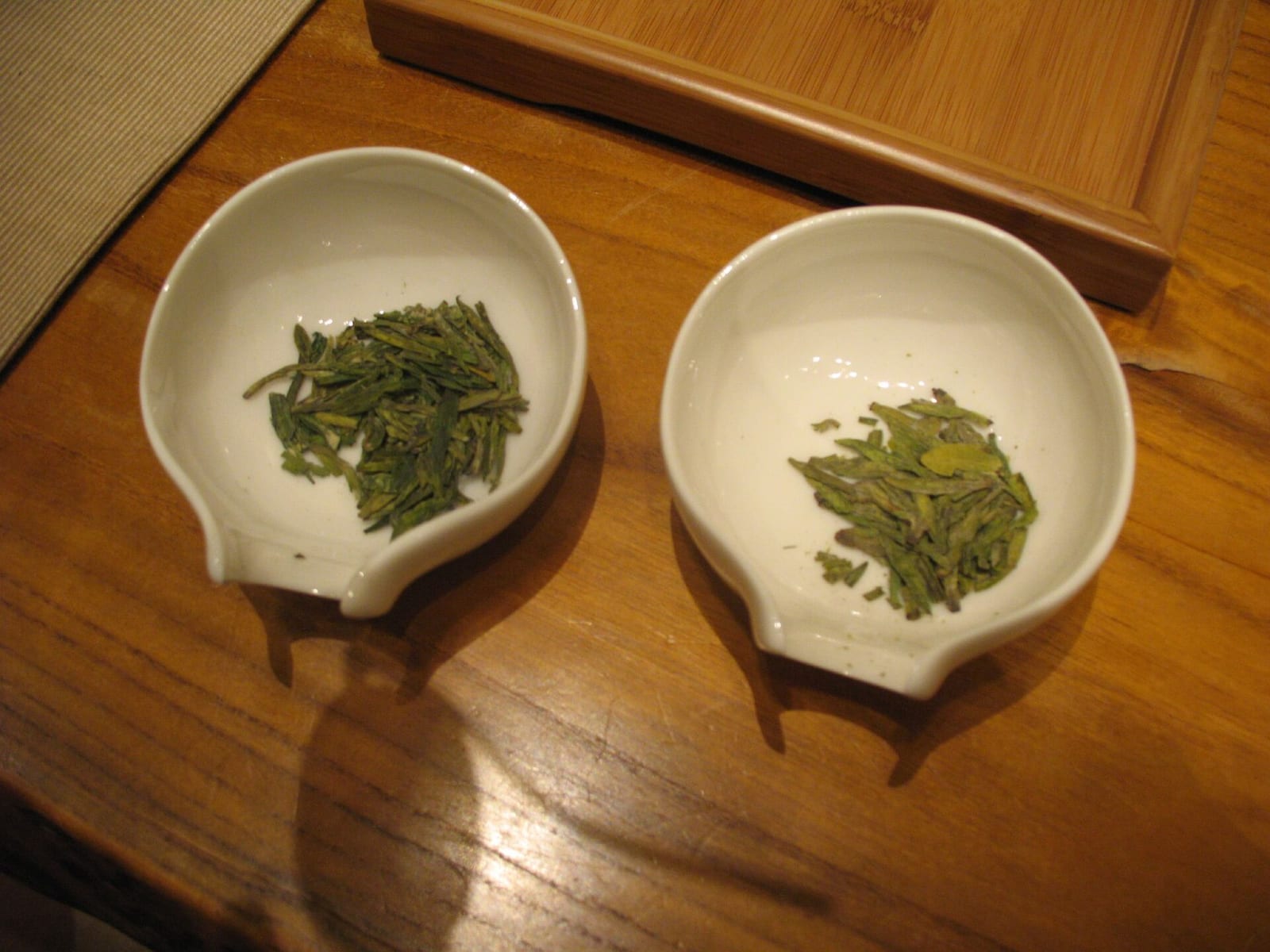
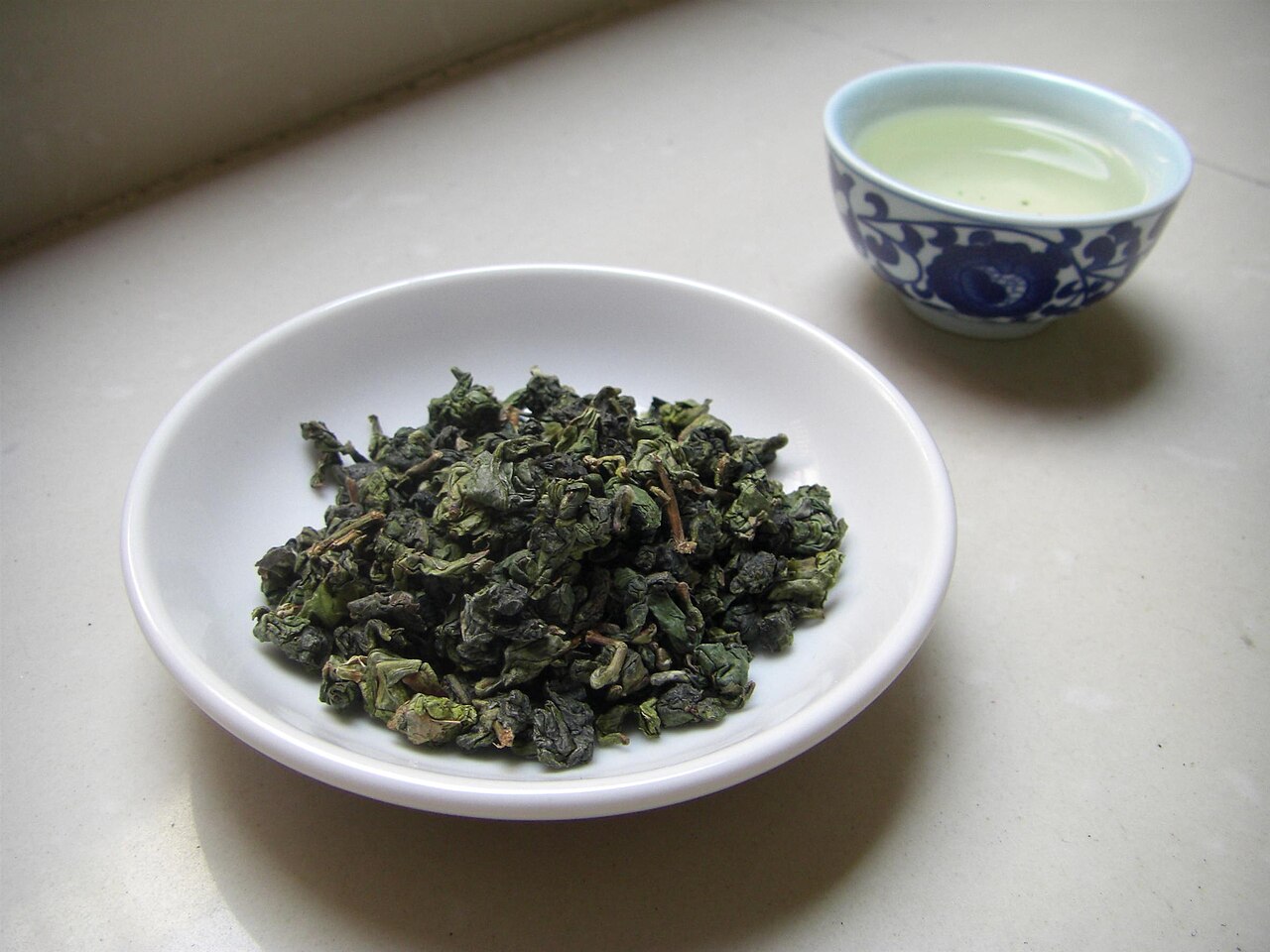
After opening in 1981, Wistaria kept the space in use through tea gatherings, tea classes, exhibitions and talks. The legacy list of Taiwan oolong, baozhong, Oriental Beauty, high-mountain tea and Pu-erh can serve as a reading direction for Taiwan tea types, but the actual menu changed with period and closure. It should not be presented as a permanent list.
The official space page notes that a long table displays a still from Ang Lee’s 1994 film Eat Drink Man Woman, showing the male and female leads drinking tea. This shows a visual memory linking film and tea space. A still is not proof that the whole film was shot there; without production records, do not turn the photograph into a filming-location claim.
The legacy page also described Wistaria as a “cradle of Taiwan’s democracy movement” and listed specific remarks by writers and directors. This page does not use those quotations or causal claims because they cannot be checked item by item. It keeps only what the official site confirms: the building, the 1981 conversion, the 1997 designation and the closure. The historical value of a tea space does not need a celebrity quotation to exist.
Visiting information
Address: No. 1, Lane 16, Xinsheng South Road Section 3, Daan District, Taipei City.
Telephone: 02-2363-7375. Email: [email protected].
Operating status: closed. Closed since 16 December 2024 for a multi-year restoration; the official site states that no tea or meals are served during this period. No reopening date is given. Check the official announcement before travelling.
Sources and status
This page relies on Wistaria’s official homepage, space page and tea-culture page. The homepage supports the current closure notice, address and contact details. The space page supports the Japanese dormitory, the three wistaria trees, the 1981 conversion, the 1997 historical-site designation, the flower hall and Purple Cloud Pagoda, the 2008 reopening and the Eat Drink Man Woman still. The tea-culture page is used for the direction of tea gatherings and classes. Unsourced legacy claims — causal claims about the democracy movement, celebrity quotations and “the only one in Taipei” — have been removed. All migrated pages are currently marked reviewed, but sources and wording will continue to be revised.